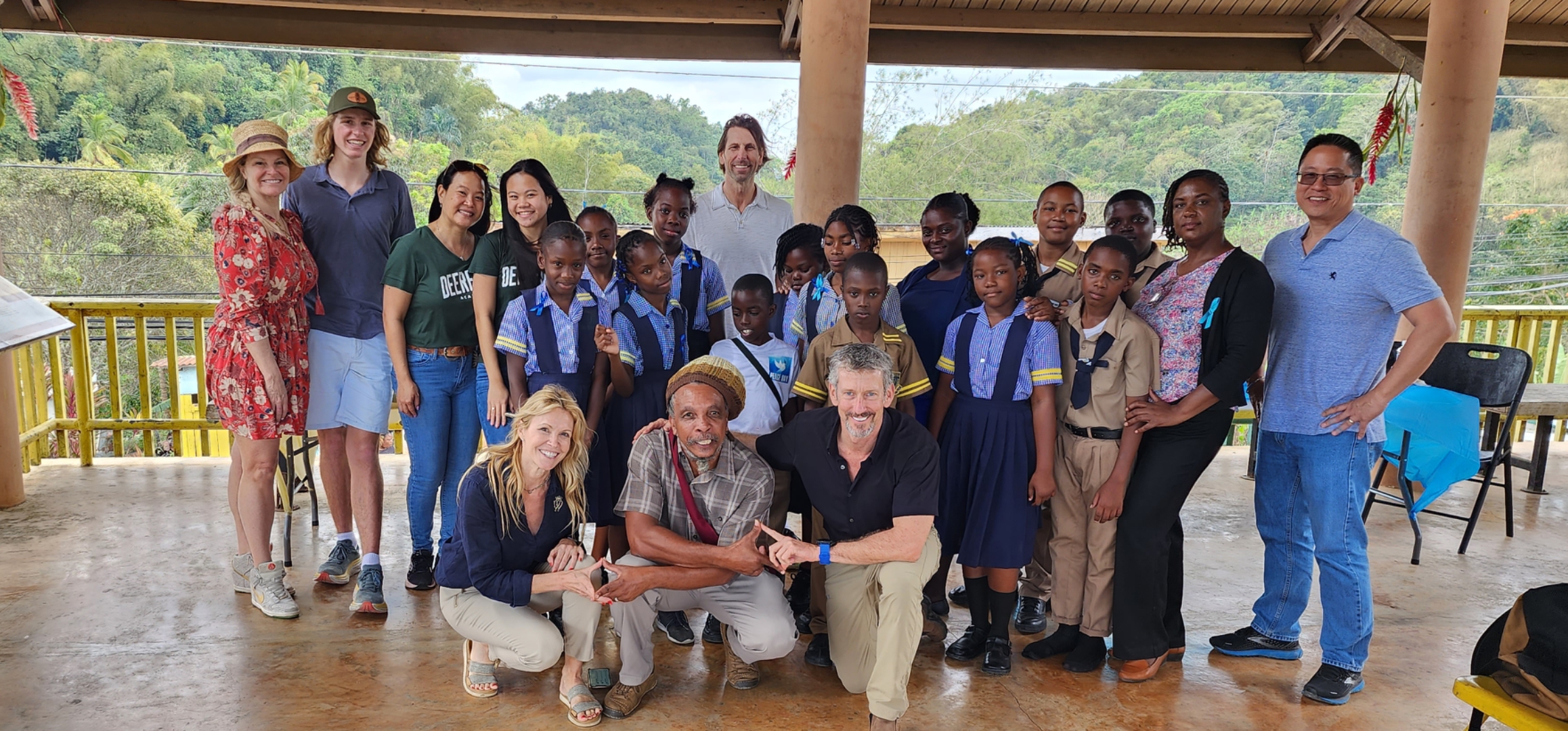
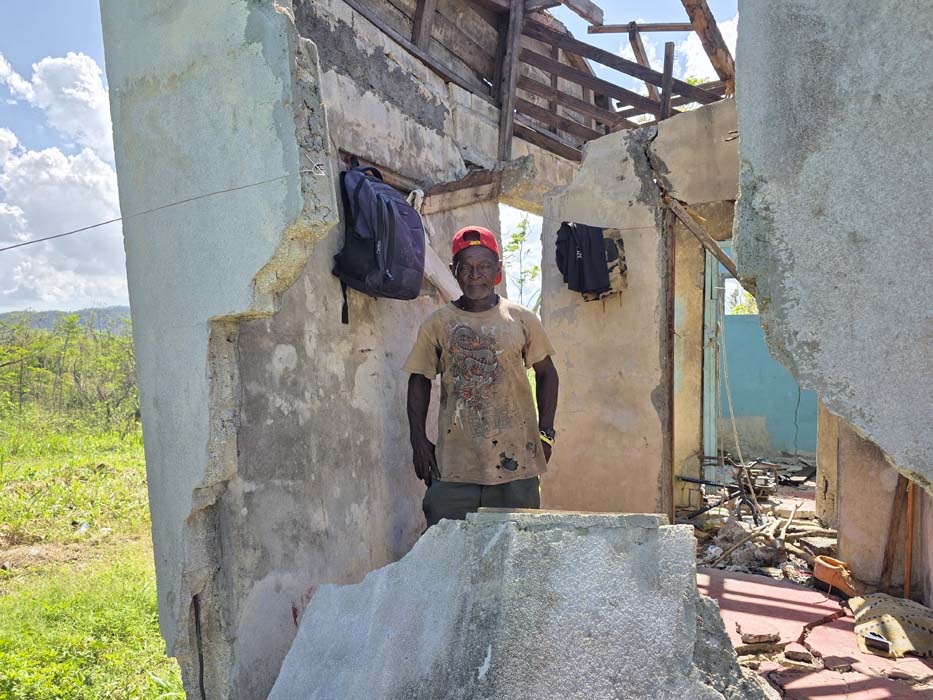
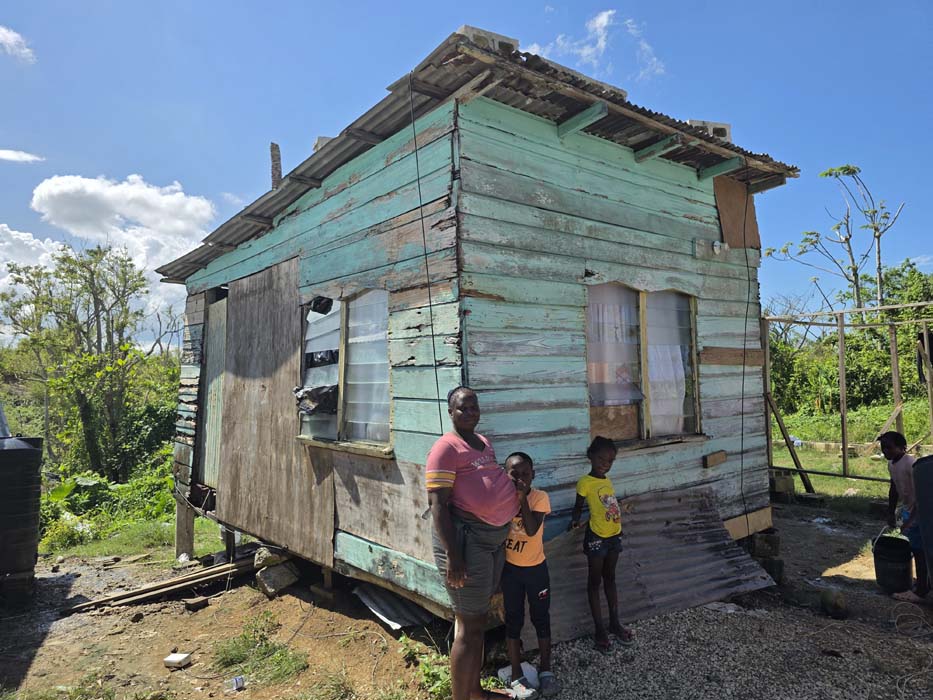
Following Hurricane Melissa, Western Jamaica faces the most severe humanitarian crisis in its modern history — widespread homelessness, shortages of food and clean water, extended power outages, and a near-total collapse of communications across the Western Parishes of St. Elizabeth, St. James, Hanover and Westmoreland. The rural citizens deep in the hills are often the hardest hit, and the most easily overlooked.
In Jamaica, small “board houses” and concrete block homes provide shelter for the day laborers and small farmers who comprise the majority of rural Jamaicans. For those who can still find work after the hurricane, their wages of $4,000–5,000 Jamaican dollars per day (US $25–31) are barely sufficient to provide food for their families, let alone pay for building materials to repair their homes.
 |
 |
|---|
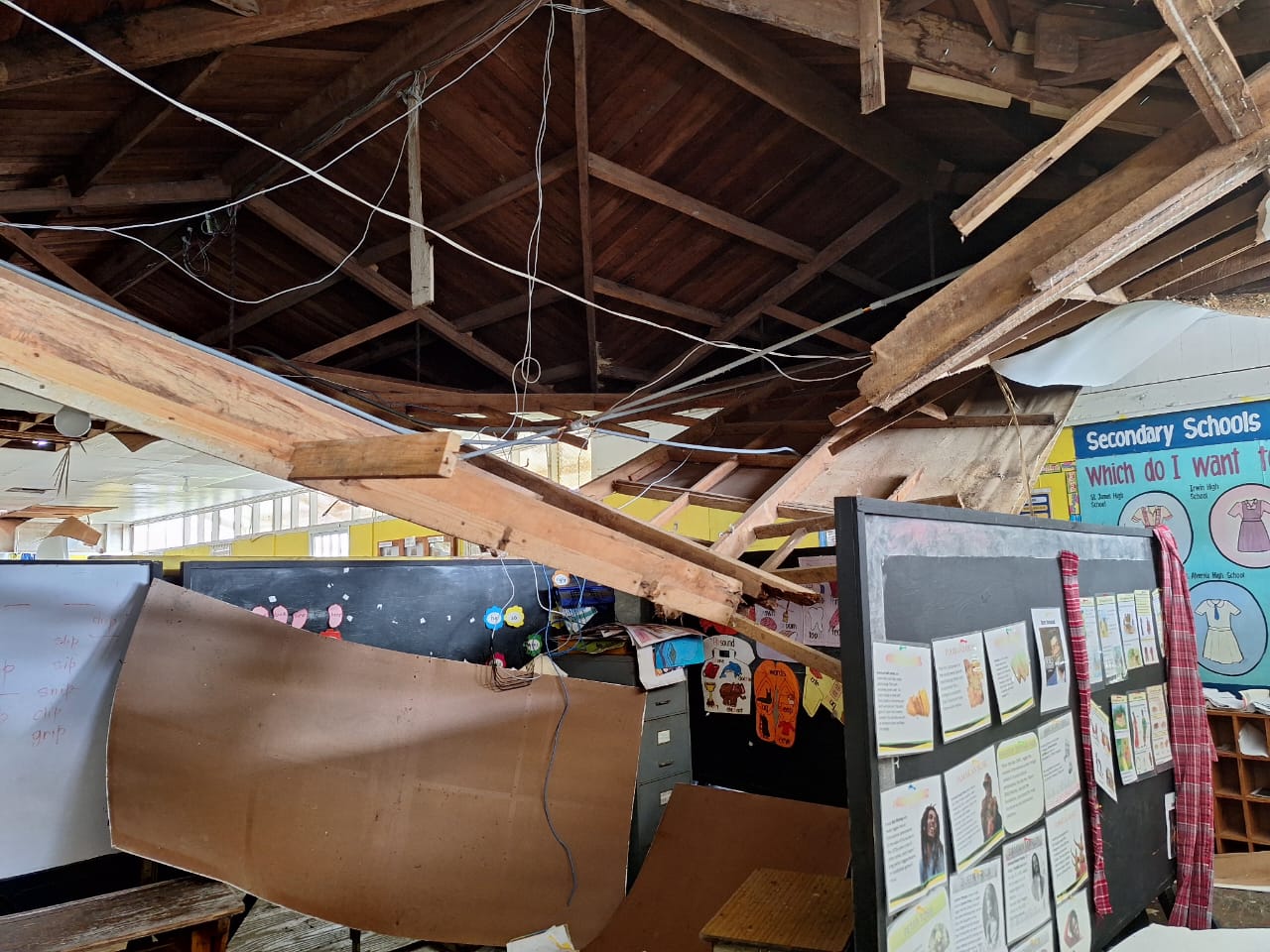
The Jamaica Respect Foundation (JRF) was co-founded by Grace Marr and Scott Cathcart, building on an earlier pilot program started in 2023 in which they worked with the Chief of the Trelawny-Flagstaff Maroons and the Salz family to connect Vaughansfield Primary School — a rural school deep in the mountains of Cockpit Country — to the world via Starlink, and to teenage tutors at Deerfield Academy. That pilot demonstrated how connectivity can build dignity and expand opportunity for underprivileged schoolchildren. Following Hurricane Melissa, the Foundation has listened to the community’s most urgent need: building materials to repair and rebuild their homes. Schools and police stations have been damaged as well, including Vaughansfield Primary itself.
 |
 |
|---|
RELIEF VOUCHER PROGRAM
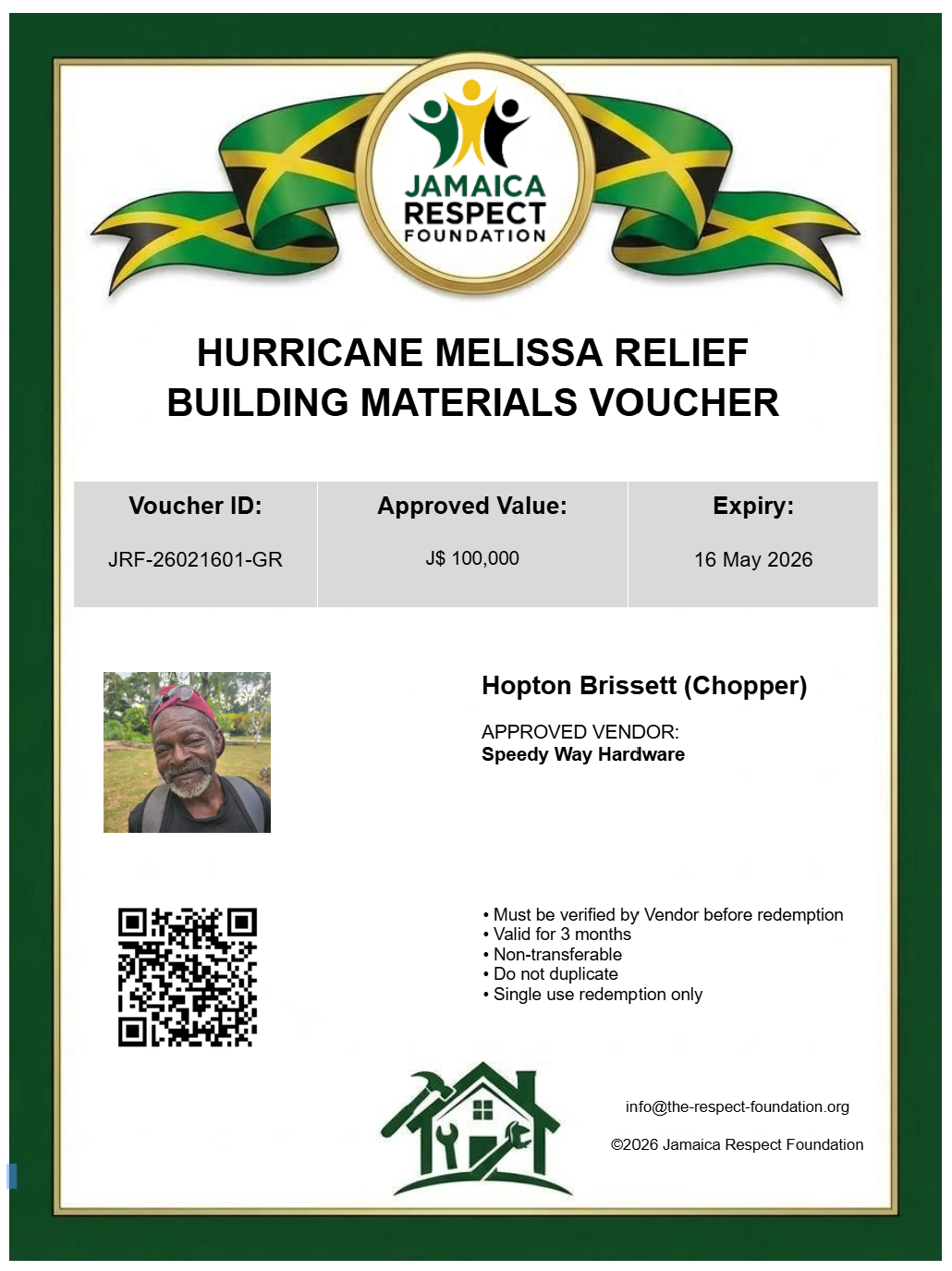
The JRF is working with local hardware stores to provide those most urgently in need with free building materials vouchers ranging from J$25,000 (US $156) to J$100,000 (US $625) per person. Even a few pieces of zinc sheathing, plywood, and nails can make the difference between exposure to the elements and having shelter. Vouchers are issued based on need for families, schools, and police stations, and are fulfilled through trusted local hardware partners such as Speedy Way Hardware in Orange Bay, Hanover.
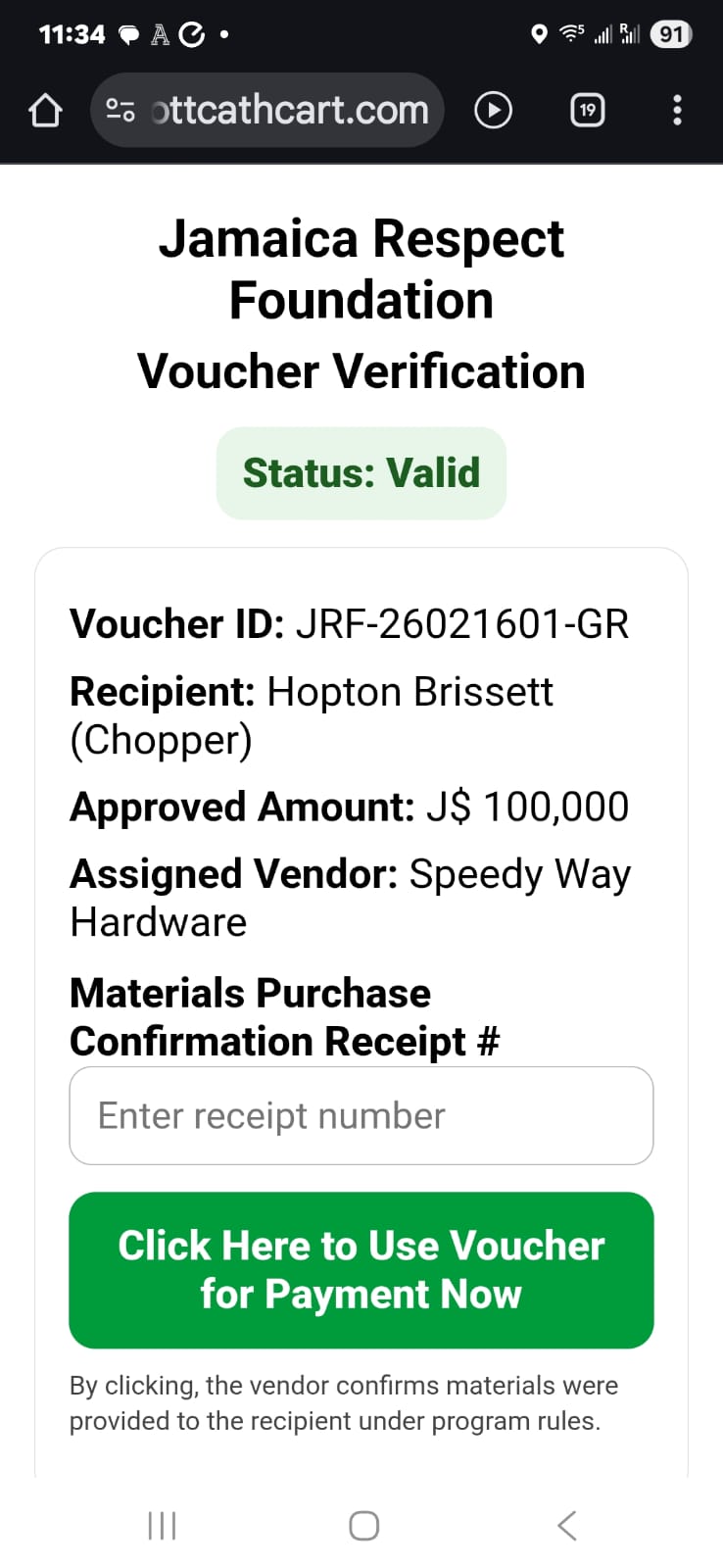
To ensure security, transparency, and dignity, JRF has built a QR code-based voucher verification system. Each recipient receives a uniquely numbered voucher with a QR code that vendors scan to verify authenticity, confirm the approved amount, and log the materials receipt — creating a transparent, auditable record of every transaction.
| Sample Voucher
|
Vendor Verification Screen
|
|---|
Examples of materials supported: Roofing zinc · Nails, screws & hurricane straps · Plywood & board · Cement & blocks · Windows & louvres · Doors · Tarps & sealants
Budget goal: J$20,000,000 ≈ US$125,000 — every US $625 raised helps repair another home.
HOW TO GIVE
Donations to the Jamaica Respect Foundation can be made through Breaking Healthcare Barriers (BHB), a US 501(c)3 charity founded by Jamaican-Americans who bring volunteer doctors and free medical supplies to Jamaica. BHB has created a dedicated sub-fund for JRF.
→ Donate Online Through BHB Here ←
For corporate gifts, matching donations, and personal donations larger than $2,500, please contact Grace Marr at info@the-respect-foundation.org to request wire instructions. For more information visit the-respect-foundation.org.
UNIVERSITY OF VIRGINIA

From 2001 to 2008, Scott Cathcart served as an advisory board member on the Gift Planning Council for his alma mater, the University of Virginia. Since 2018, Scott has served as a volunteer member of the University of Virginia’s Northern California Regional Board, supporting the University in its $5 billion “Honor the Future” capital raising campaign.
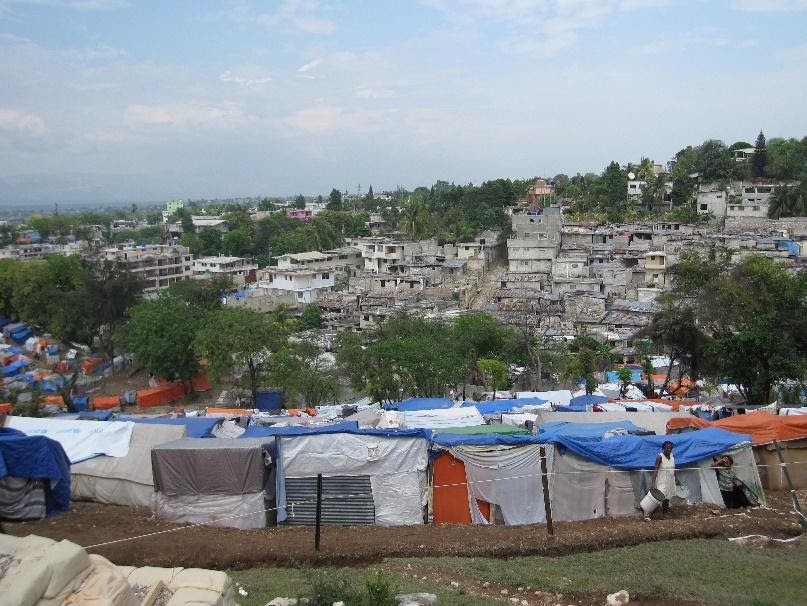
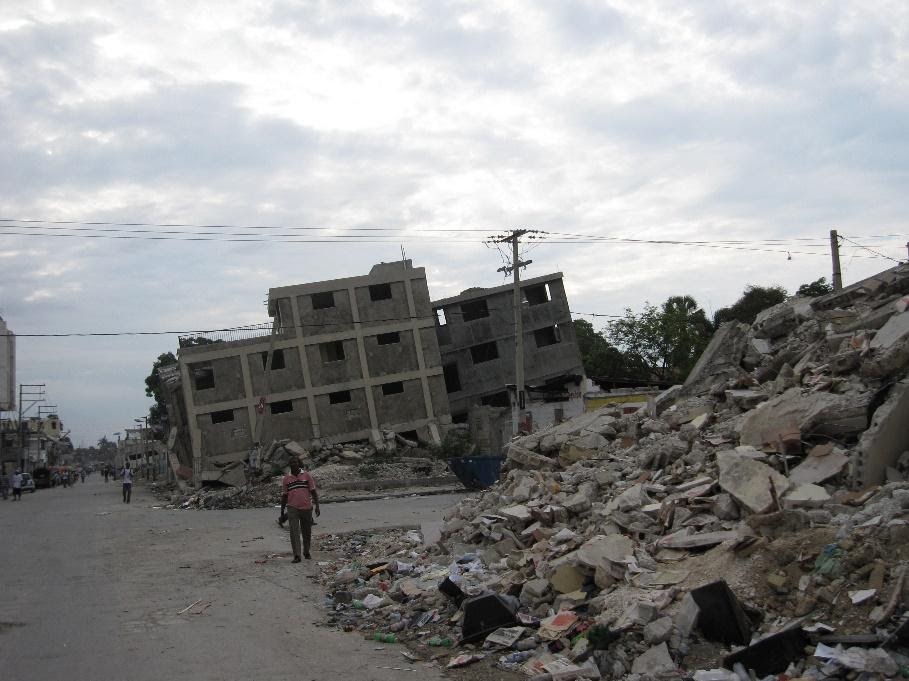
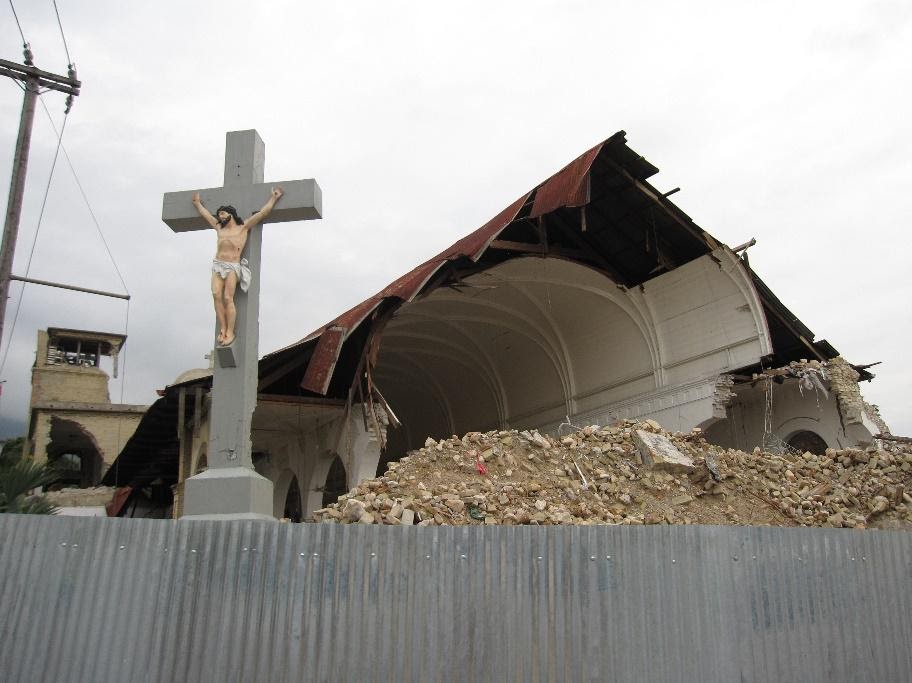
HAITI EARTHQUAKE RELIEF — 2010
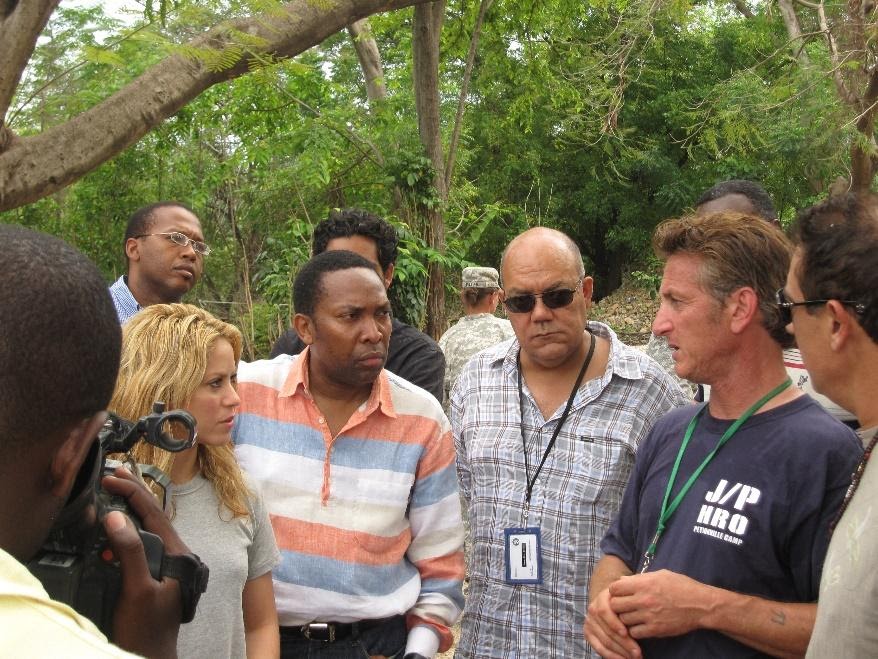
After the catastrophic earthquake that hit Haiti in 2010, Scott Cathcart and his business partners went to Port-au-Prince within weeks. In partnership with Maersk, the world’s largest shipping company, and as a former member of the Board of Directors of the global commercial modular building industry trade association, Cathcart was uniquely positioned to help bring critical replacement facilities and infrastructure to the country on a rapid-deployment basis.
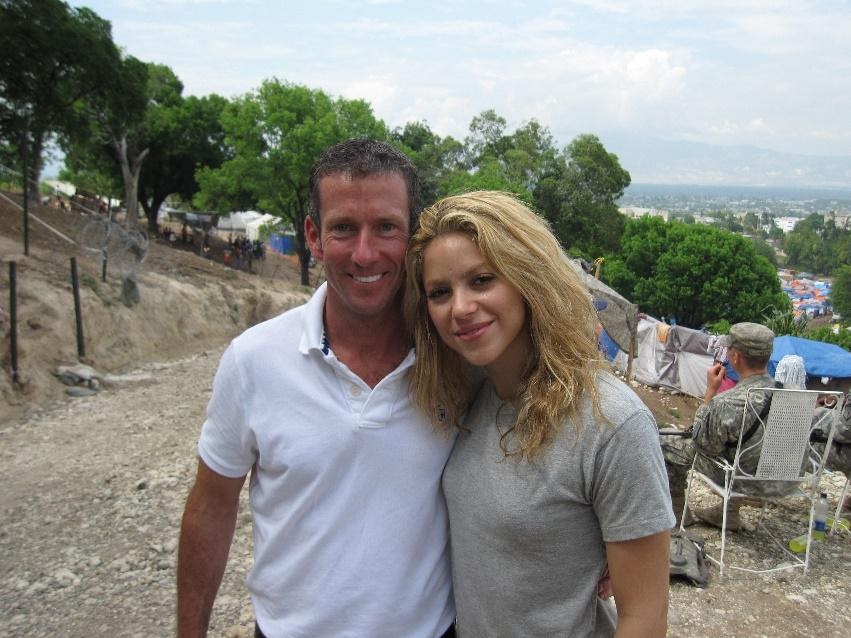 After visiting the J/P HRO Petionville refugee camp outside of Port-au-Prince with Shakira, and learning about her humanitarian initiatives for the education of impoverished children through her Barefoot Foundation, Scott and his partners were inspired to build a new school at their own expense for 250 Haitian students. Regrettably, the school facility — even though fully constructed at a modular building facility in Texas — was ultimately never able to be delivered to Haiti because of land title issues (most of the government’s land title records had been buried in the earthquake).
 |
 |
 |
|---|
 |
 |
|---|
For professional inquiries, contact Cathcart here.