Some of the most consequential and challenging work happens after war and natural disasters. Scott Cathcart has operated in reconstruction environments across three countries and three distinct crises over two decades — each time as the principal visualizing solutions, building frameworks, aligning partnerships, moving assets, and engaging directly with government counterparts under difficult conditions.
Baghdad, Iraq — WAR ZONE RECONSTRUCTION
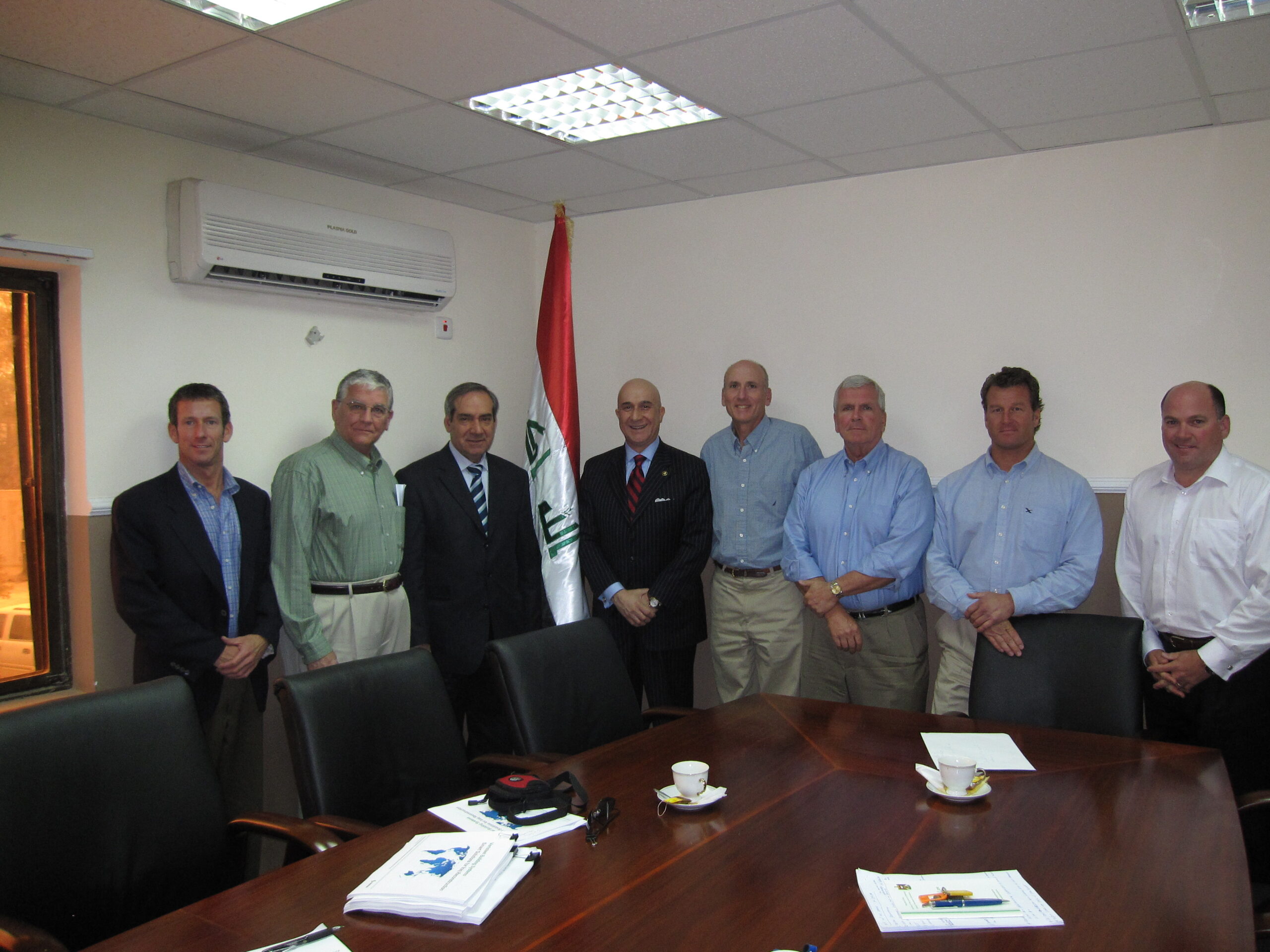
Scott Cathcart and his partners with Dr. Sami Al-Araji, Chairman of the Iraqi National Investment Commission (NIC), and a Director of EXIM Bank — International Zone, Baghdad, Iraq
Toward the end of the Second Gulf War, Cathcart deployed to Baghdad as an invited civilian guest of the Undersecretary of Defense. Operating from the Department of Defense (DoD) villa in the International Zone with full military support and PSD, Cathcart conducted multiple missions into the Red Zone to meet with Iraqi leaders and help futher the mission of the DoD Task Force for Business and Stability Operations (TFBSO).
The focus of the TFBSO was to bring economic stabilization to Iraq through reconstruction initiatives and the introduction of business opportunities. The task force operated under the direct authority of the Undersecretary of Defense and worked across multiple sectors — housing, agriculture, manufacturing, and private investment — to rebuild the institutional and commercial infrastructure of a country that had been at war for years. The primary Iraqi interface for those engagements was Dr. Sami Al-Araji, Chairman of the Iraqi National Investment Commission (NIC), the body responsible for attracting and facilitating foreign investment into post-conflict Iraq. The NIC was one of the few Iraqi institutions with the mandate and the relationships to move reconstruction frameworks from concept to execution at scale. Cathcart and his partners presented a coordinated multi-phase reconstruction and technology transfer plan to Dr. Al-Araji which would enable Iraq to progress from a net importer of factory-built structures to a net exporter over a 10-year period.
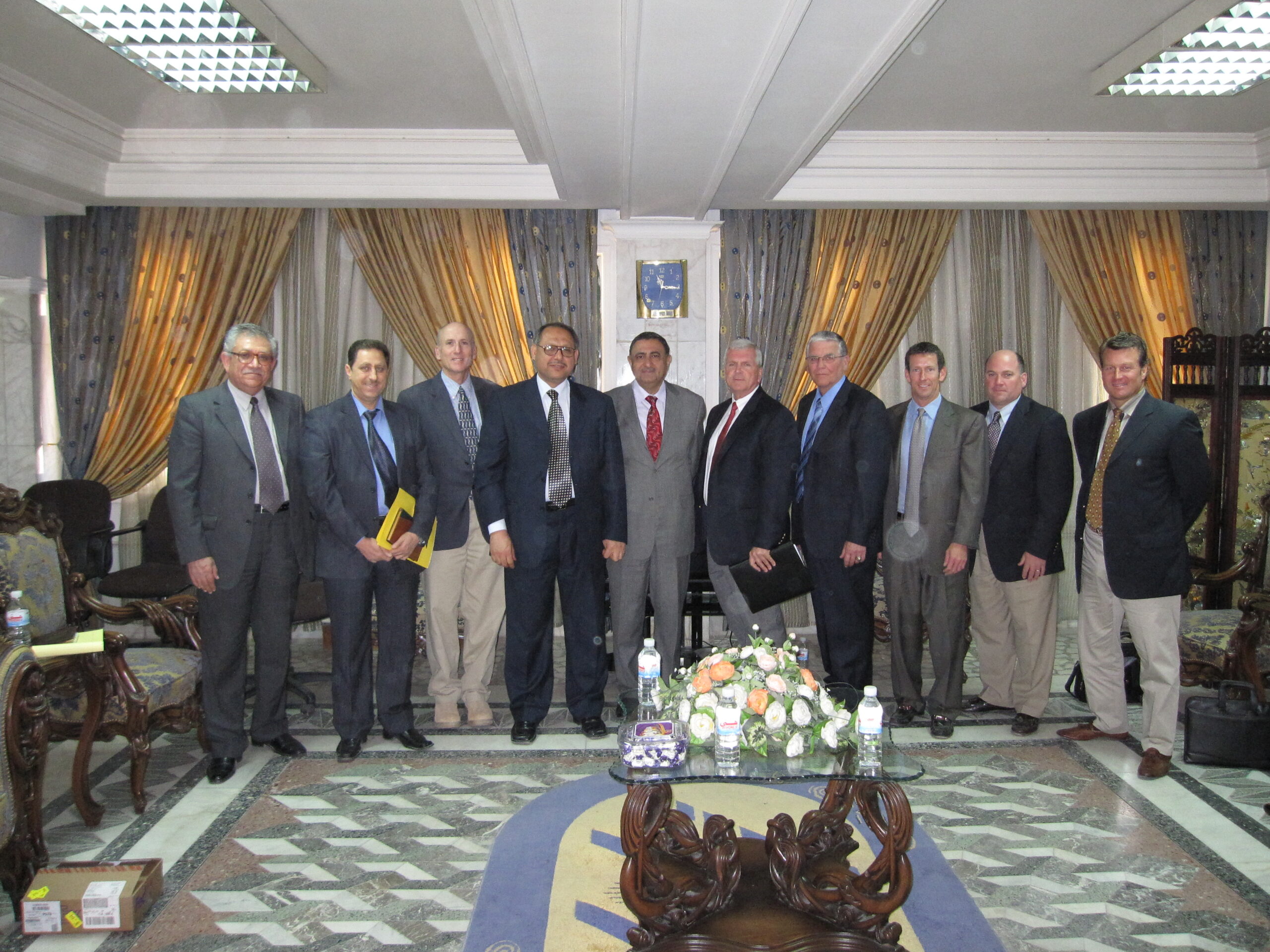
Scott Cathcart and his partners meeting with the Iraqi Deputy Minister of Construction and Housing (MOCH) — Red Zone, Baghdad, Iraq
Cathcart delivered a comprehensive reconstruction framework to the Iraqi Deputy Minister of Construction and Housing (MOCH) at the Ministry in the Red Zone — with a siumltaneous Farsi translator — one of the first structured private-sector reconstruction proposals presented at the ministerial level to the Iraqi government prior to the end of the Second Gulf War. The work required navigating a complex institutional environment where decision-making authority was fragmented, security conditions were active, and the counterparties were sovereign government officials operating under extraordinary pressure. The purpose was to advance a large-scale housing reconstruction framework built around rapid deployment of modular structures to be shipped via Cathcart’s partner Maersk through the Persian Gulf, offloaded at the Port of Umm Qasr, and trucked to Baghdad for installation. The program had a contract value in the range of $7.25 billion for the first phase of 100,000 homes. Cathcart ultimately declined to pursue it on terms that would have required improper payments. The Iraqi Prime Minister and a South Korean consortium ultimately signed a deal for the initial 100,000 homes in 2011.
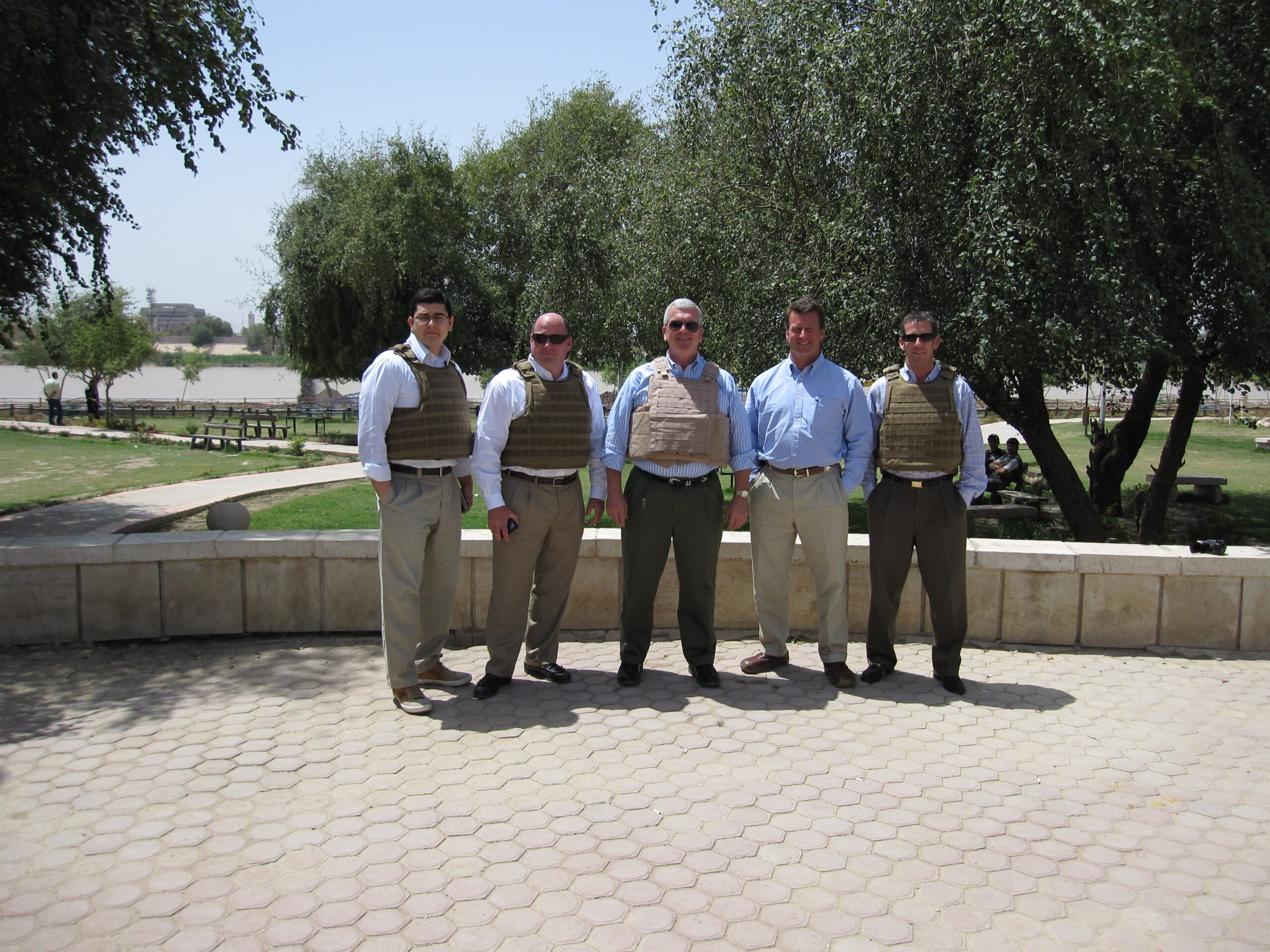
Scott Cathcart and his partners — Tigris River Park, Baghdad, Iraq
This combination — institutional complexity, physical risk, and the requirement to build trust with sovereign counterparties under difficult conditions — is not a profile most commercial executives carry.
The deployment context matters. Baghdad in 2009 was still an active war zone and not a safe environment. Missions into the Red Zone required military escort, security clearances, and ex-military PSD. The counterparties were sovereign government officials of a country that had been at war for six years. Institutional frameworks were incomplete. Trust had to be built from scratch, under conditions where most business development professionals would not have dared be present at all.
Port-au-Prince, Haiti — EARTHQUAKE
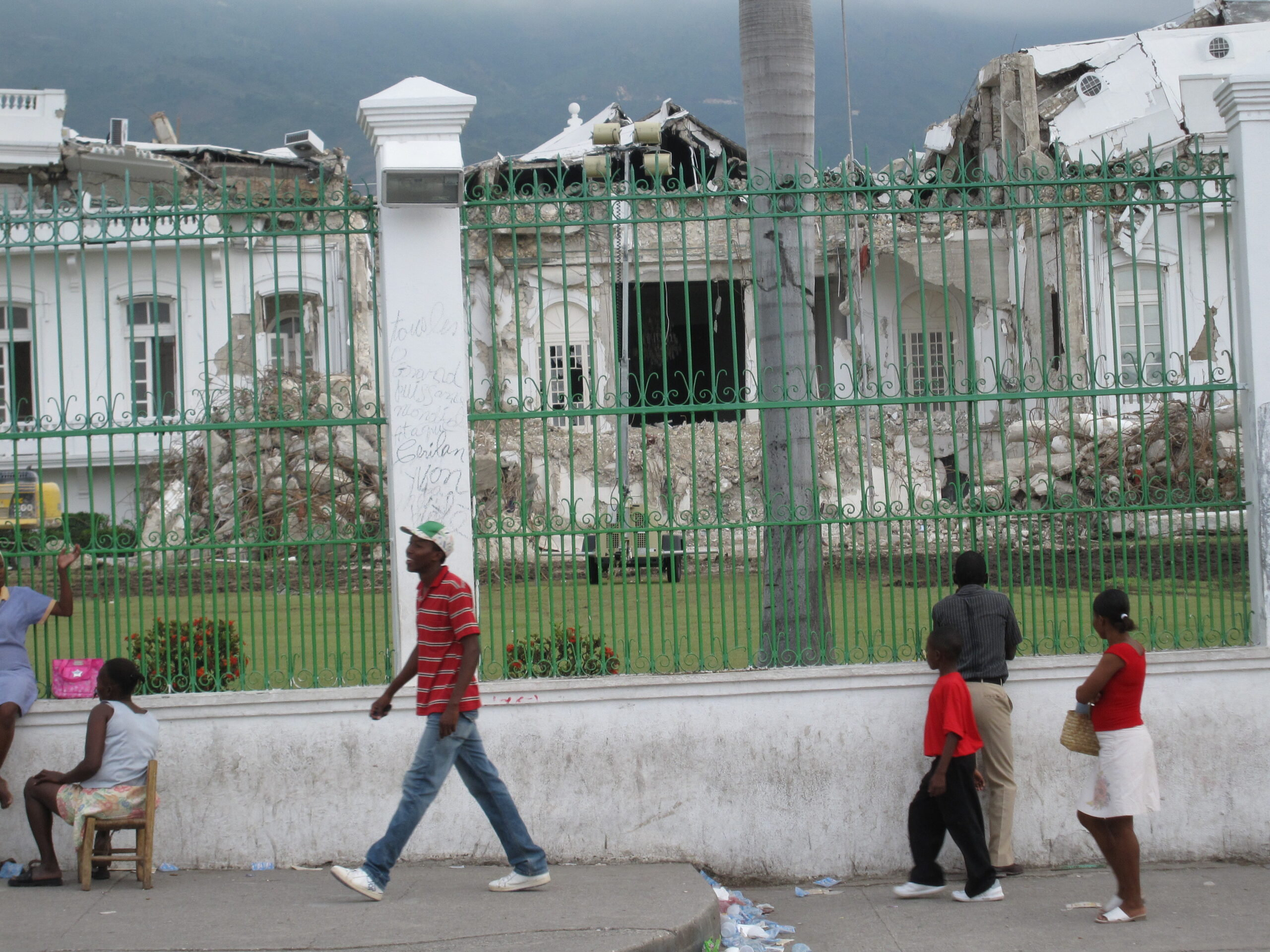
The Haitian National Palace — Port-au-Prince, 2010
Three months after the January 2010 earthquake, Cathcart and his business partners made their first deployment to Port-au-Prince. The earthquake had killed more than 200,000 people, displaced 1.5 million, and destroyed the physical and institutional infrastructure of the country’s capital.
Working in partnership with Maersk and drawing on deep experience in rapidly deployable modular construction, Cathcart was positioned to move replacement facilities into the country at scale. First on the list was securing access to the only private port in the country, to enable importations of relief, recovery and rebuilding to be expedited. During that deployment he engaged with Department of State (DoS) U.S. Embassy personnel, local leaders, non-governmental humanitarian organizations (NGOs) operating across the affected area, and visited the Petionville refugee camp with Shakira, Sean Penn and other leaders of the Jenkins/Penn Haiti Relief Organization (J/P HRO).
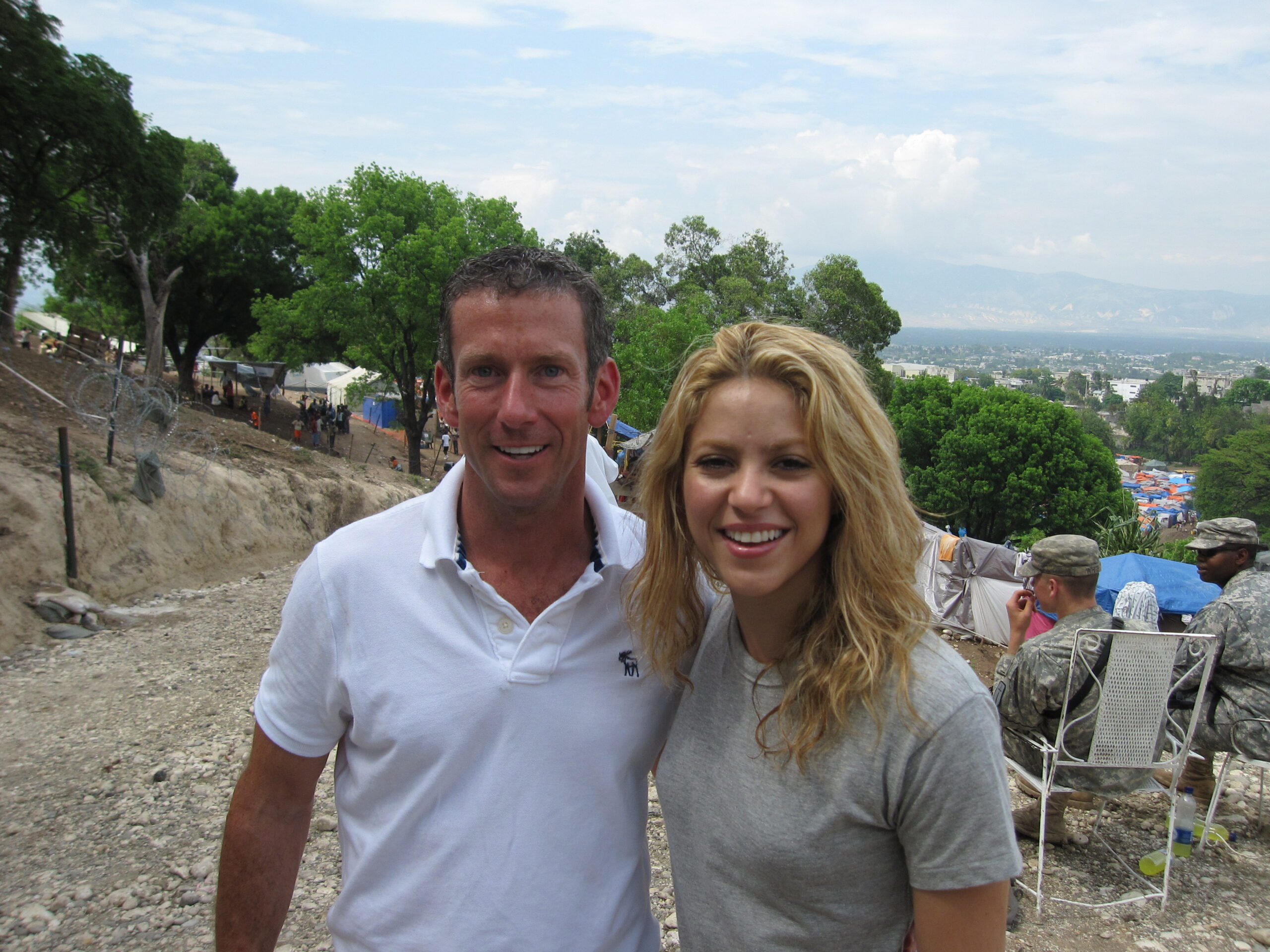
Scott Cathcart and Shakira at the J/P HRO Petionville refugee camp — Port-au-Prince, Haiti, 2010
Shakira was in Haiti in support of re-establishing education for children through her Barefoot Foundation, which had been operating schools across Latin America and the Caribbean for years. Her presence at the Petionville camp drew international attention to the scale of the education crisis — an estimated 4,000 schools had been damaged or destroyed in the earthquake, leaving more than 1.5 million children without access to learning. Inspired by her education initiatives and the acute need he witnessed firsthand at the camp, Cathcart and his partners committed to building a modular school for 250 Haitian students at their own expense. The approach drew directly on Cathcart’s core capability: rapidly deployable modular structures that could be manufactured off-site and installed quickly without dependence on local construction infrastructure — exactly the kind of solution post-earthquake Haiti required. The facility was fully constructed at a manufacturing facility in Texas, purpose-built for the site. It was ultimately unable to be delivered due to land title issues created by the earthquake itself — the Haitian government’s land records had been largely destroyed, making it impossible to establish clear ownership of the intended site. The school was built. The obstacle was institutional, not operational. It remains one of the clearest examples of what reconstruction in a post-disaster environment actually demands: the hardest problems are rarely technical.
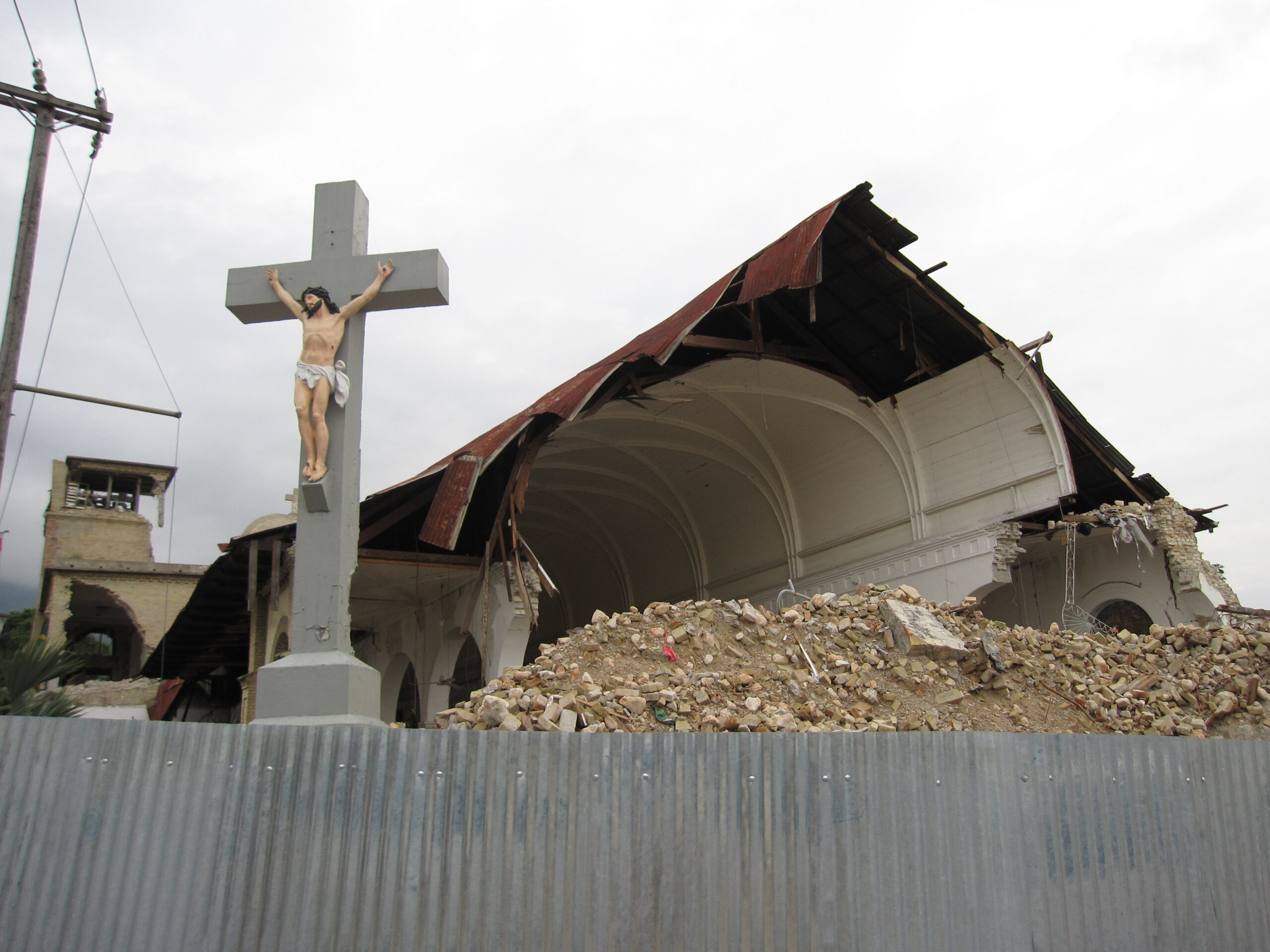
Port-au-Prince — 2010
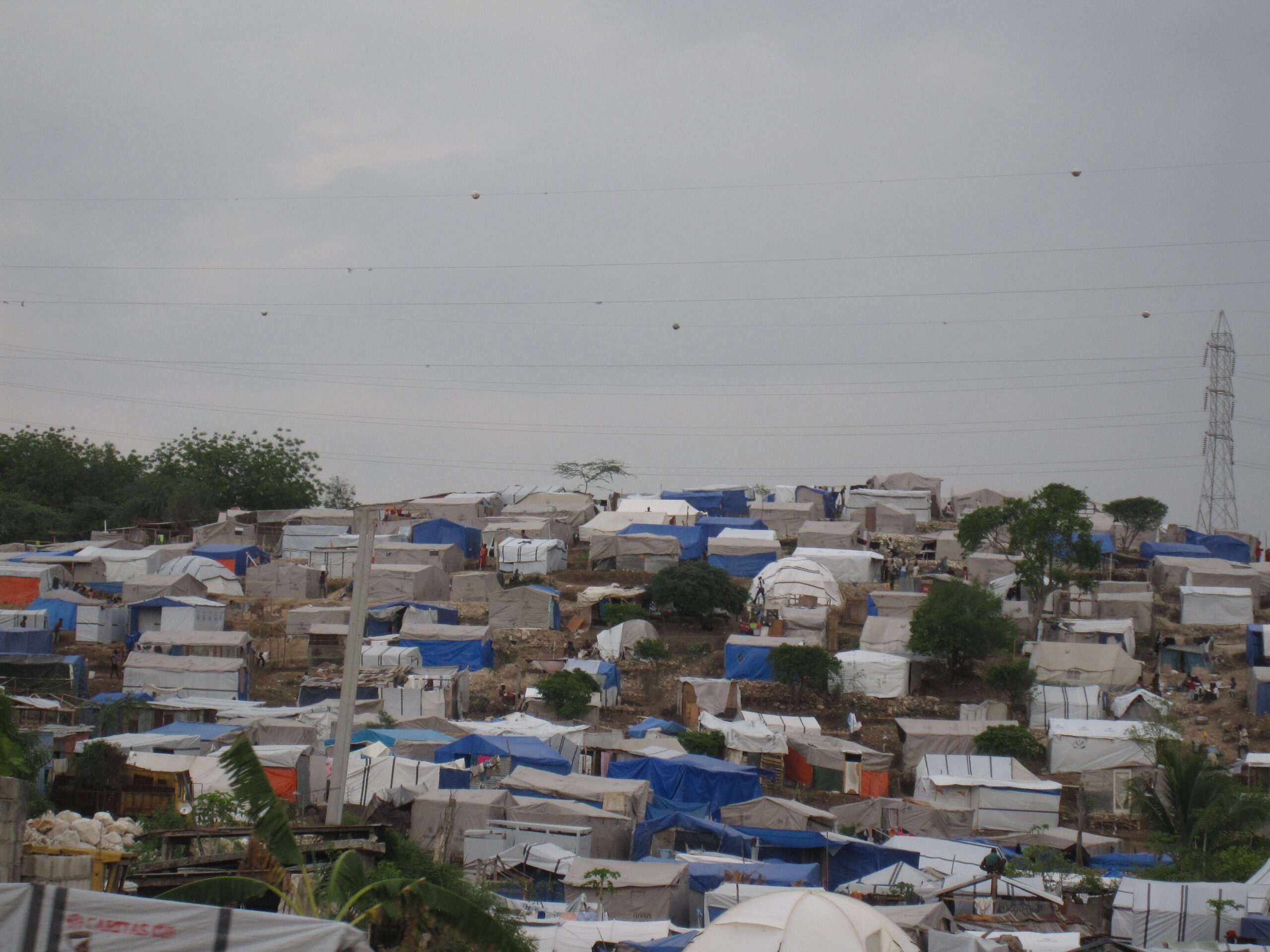
J/P HRO Petionville refugee camp — Port-au-Prince, 2010
At the Petionville camp — the largest displaced persons facility in Haiti at the time — Cathcart engaged with NGO leaders and aid organizations coordinating relief across the affected area. The scale of displacement and the collapse of institutional frameworks reinforced a consistent operating conclusion: in post-disaster environments, the most effective interventions are built around rapid deployability, local trust, and systems that function when conventional infrastructure does not.
That intersection — private enterprise, philanthropy, and global humanitarian response converging at the same site — reflects the scale and complexity of post-earthquake Haiti.
Western Jamaica — Hurricane Melissa
Following Hurricane Melissa, Western Jamaica faces the most severe humanitarian crisis in its modern history — widespread homelessness, shortages of food and clean water, extended power outages, and a near-total collapse of communications across the Western Parishes of St. Elizabeth, St. James, Hanover and Westmoreland. The rural citizens deep in the hills are often the hardest hit, and the most easily overlooked.
In Jamaica, small “board houses” and concrete block homes provide shelter for the day laborers and small farmers who comprise the majority of rural Jamaicans. For those who can still find work after the hurricane, their wages of $4,000–5,000 Jamaican dollars per day (US $25–31) are barely sufficient to provide food for their families, let alone pay for building materials to repair their homes.
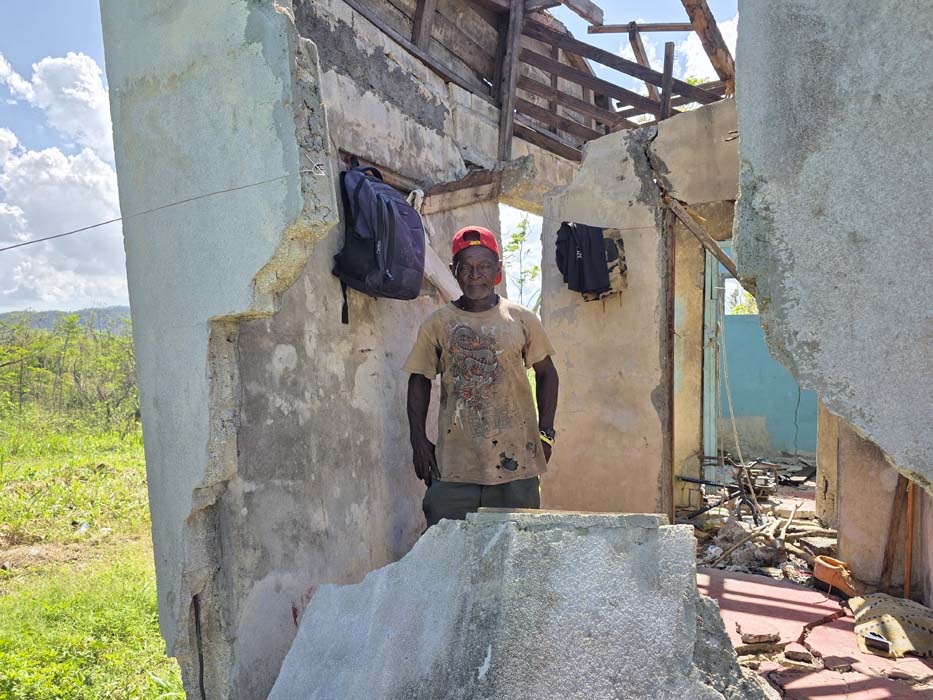
Hurricane Melissa damage — Western Jamaica, 2025 |
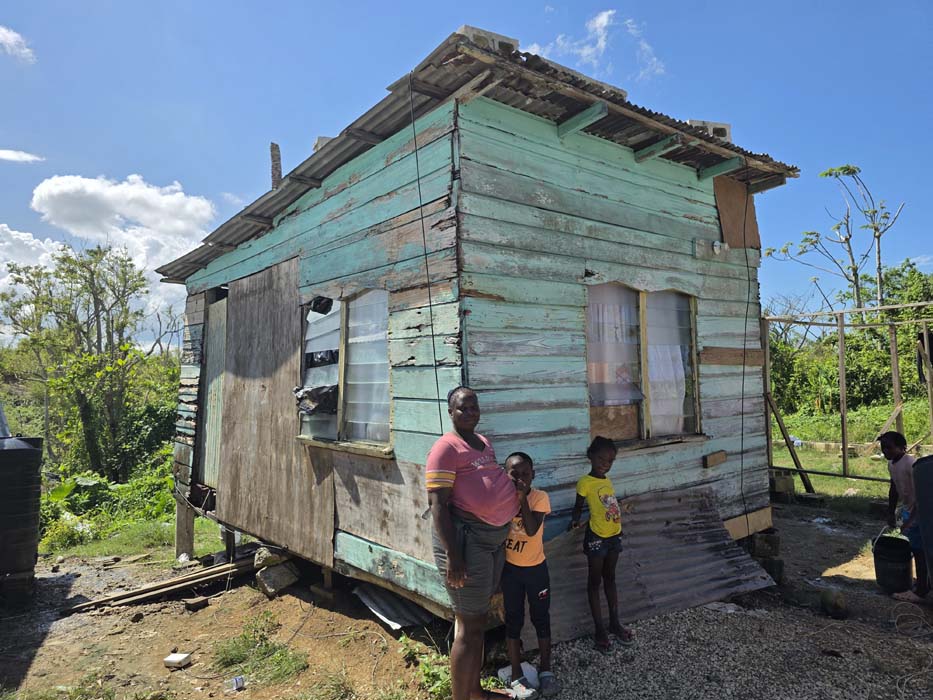
Rural housing — Green River, Western Jamaica |
|---|
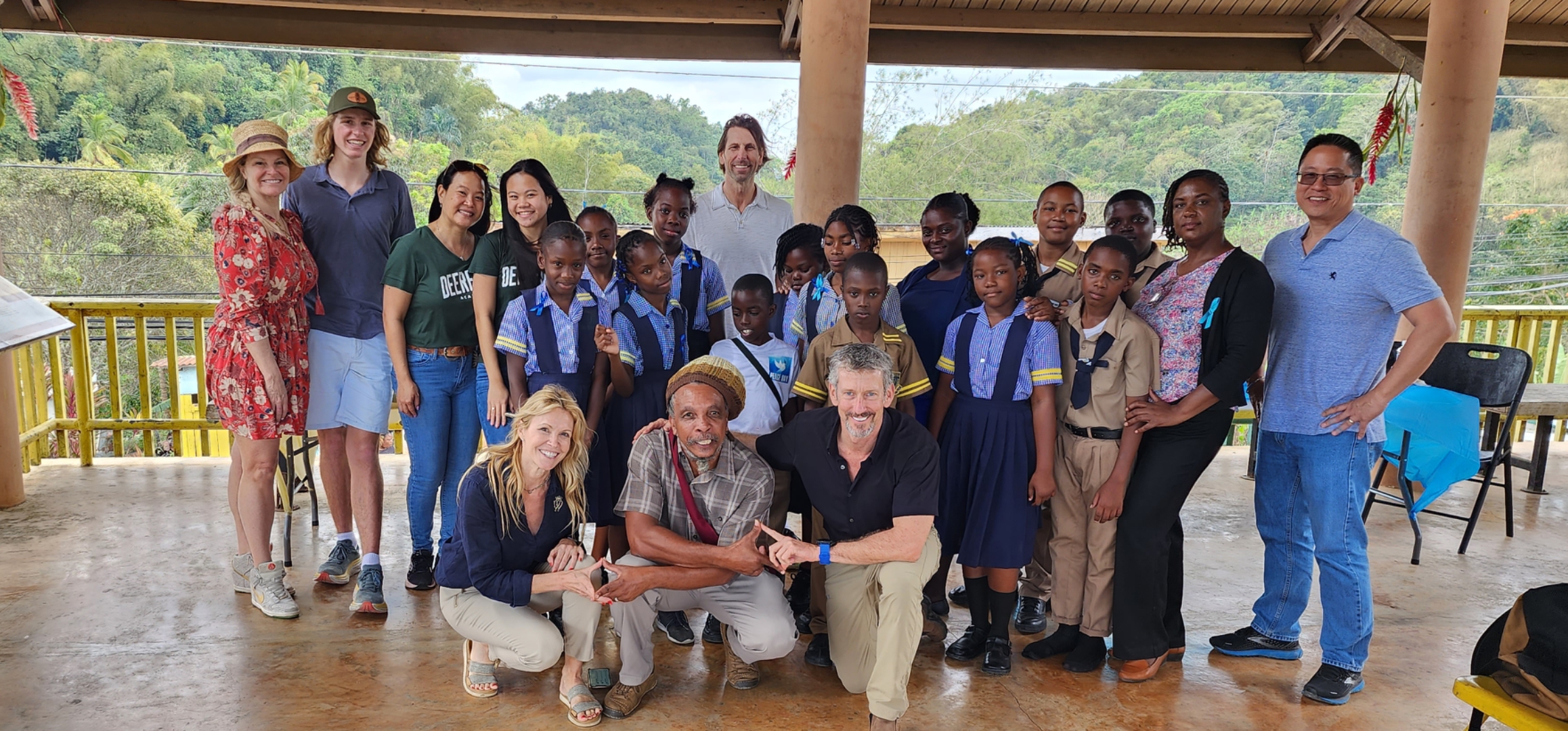
The Jamaica Respect Foundation (JRF) was co-founded by Grace Marr and Scott Cathcart, building on an earlier pilot program started in 2023 in which they worked with the Chief of the Trelawny-Flagstaff Maroons and the Salz family to connect Vaughansfield Primary School — a rural school deep in the mountains of Cockpit Country — to the world via Starlink, and to teenage tutors at Deerfield Academy. That pilot demonstrated how connectivity can build dignity and expand opportunity for underprivileged schoolchildren. Following Hurricane Melissa, the Foundation has listened to the community’s most urgent need: building materials to repair and rebuild their homes. Schools and police stations have been damaged as well, including Vaughansfield Primary itself.

Vaughansfield Primary School — Cockpit Country, Jamaica |
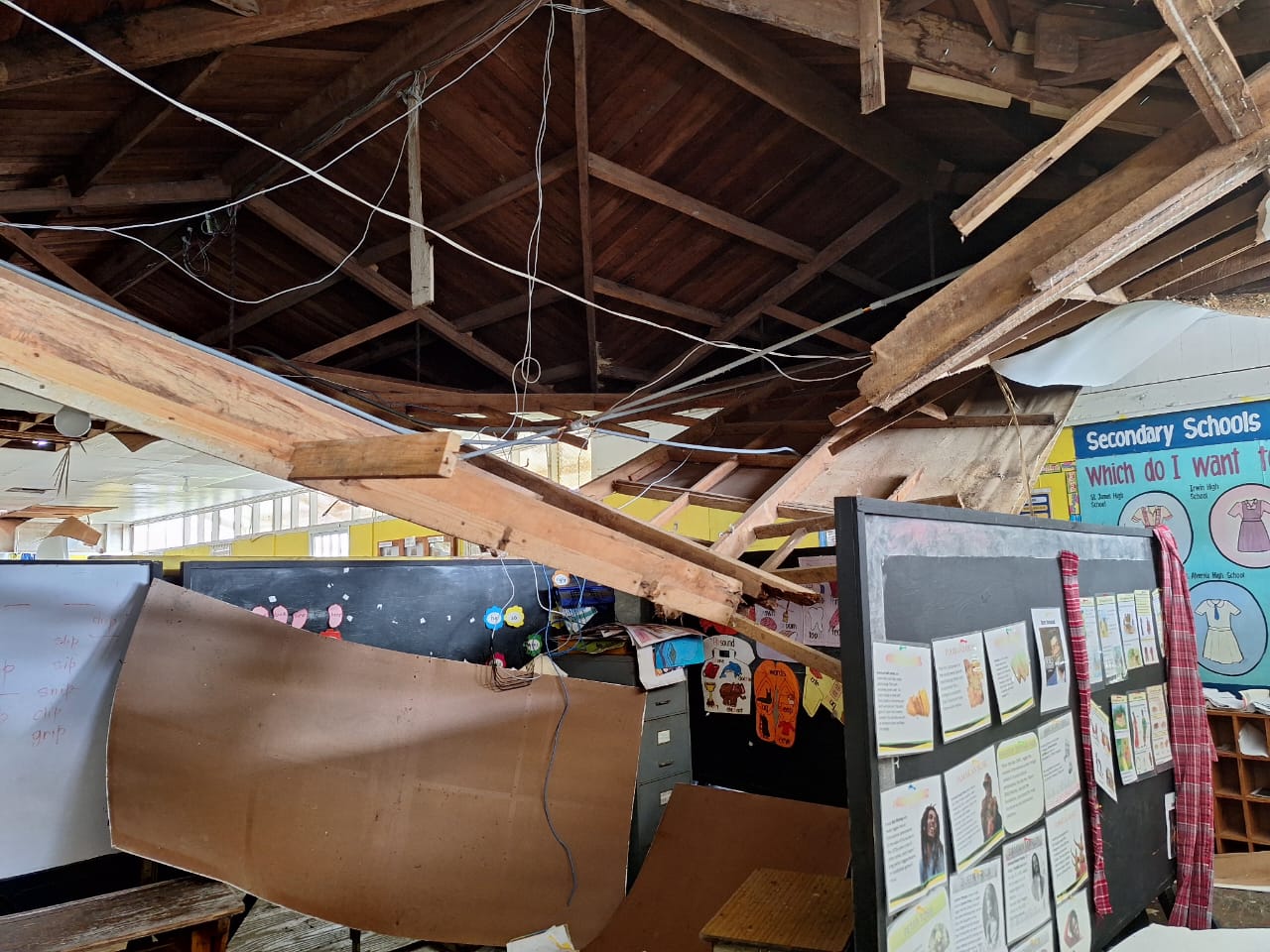
Vaughansfield Primary School — Hurricane Melissa damage |
|---|
RELIEF VOUCHER PROGRAM
The JRF is working with local hardware stores to provide those most urgently in need with free building materials vouchers. Even a few pieces of zinc sheathing, plywood, and nails can make the difference between exposure to the elements and having shelter. Vouchers are issued based on need for families, schools, and police stations, and are fulfilled through trusted local hardware partners such as Speedy Way Hardware in Orange Bay, Hanover, and Palmer’s Hardware in Whitehouse, Westmoreland.
To ensure security, transparency, and dignity, JRF has built a QR code-based voucher verification system. Each recipient receives a uniquely numbered voucher with a QR code that vendors scan to verify authenticity, confirm the approved amount, and log the materials receipt — creating a transparent, auditable record of every transaction.
Sample Voucher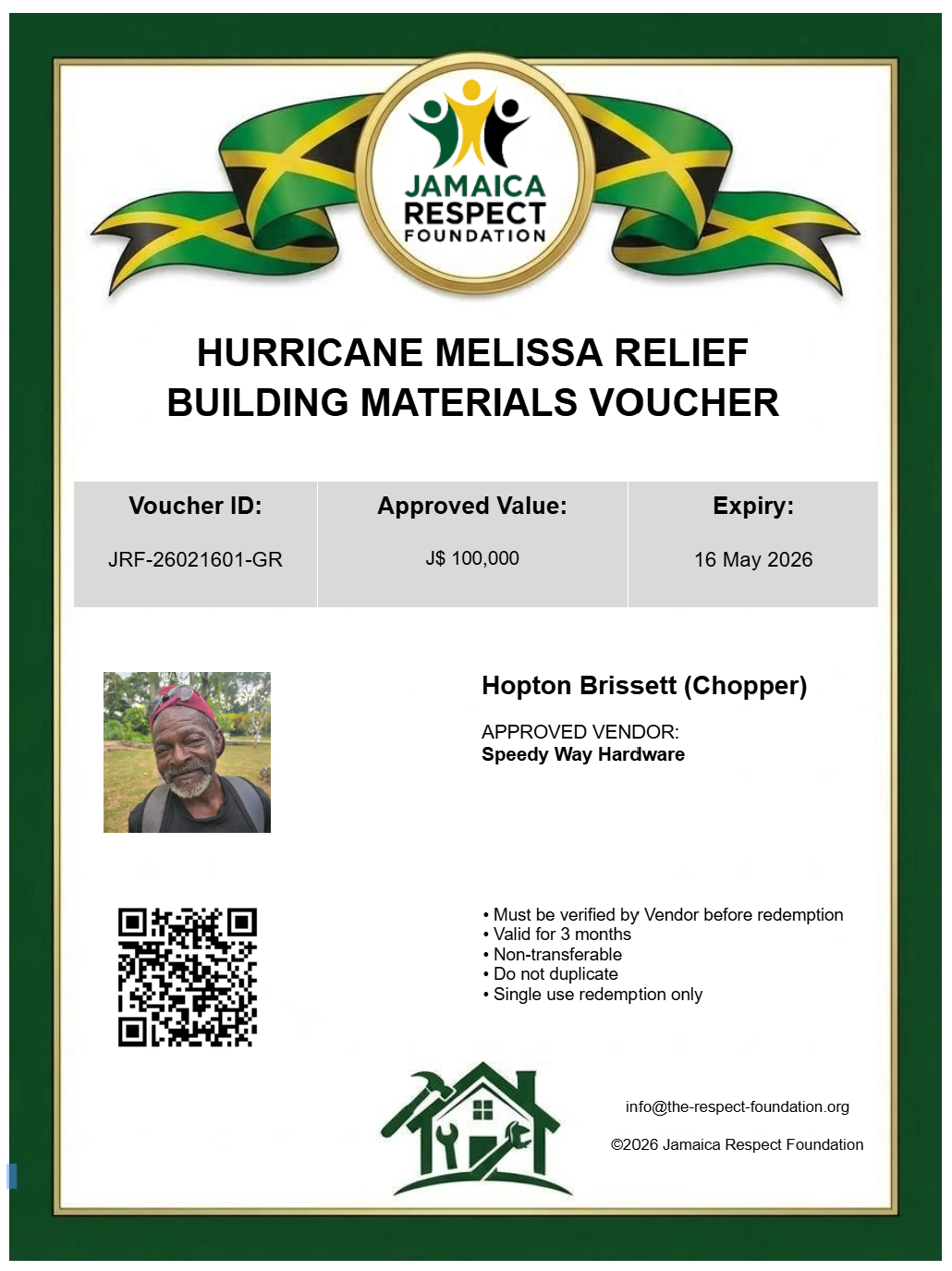 |
Vendor Verification Screen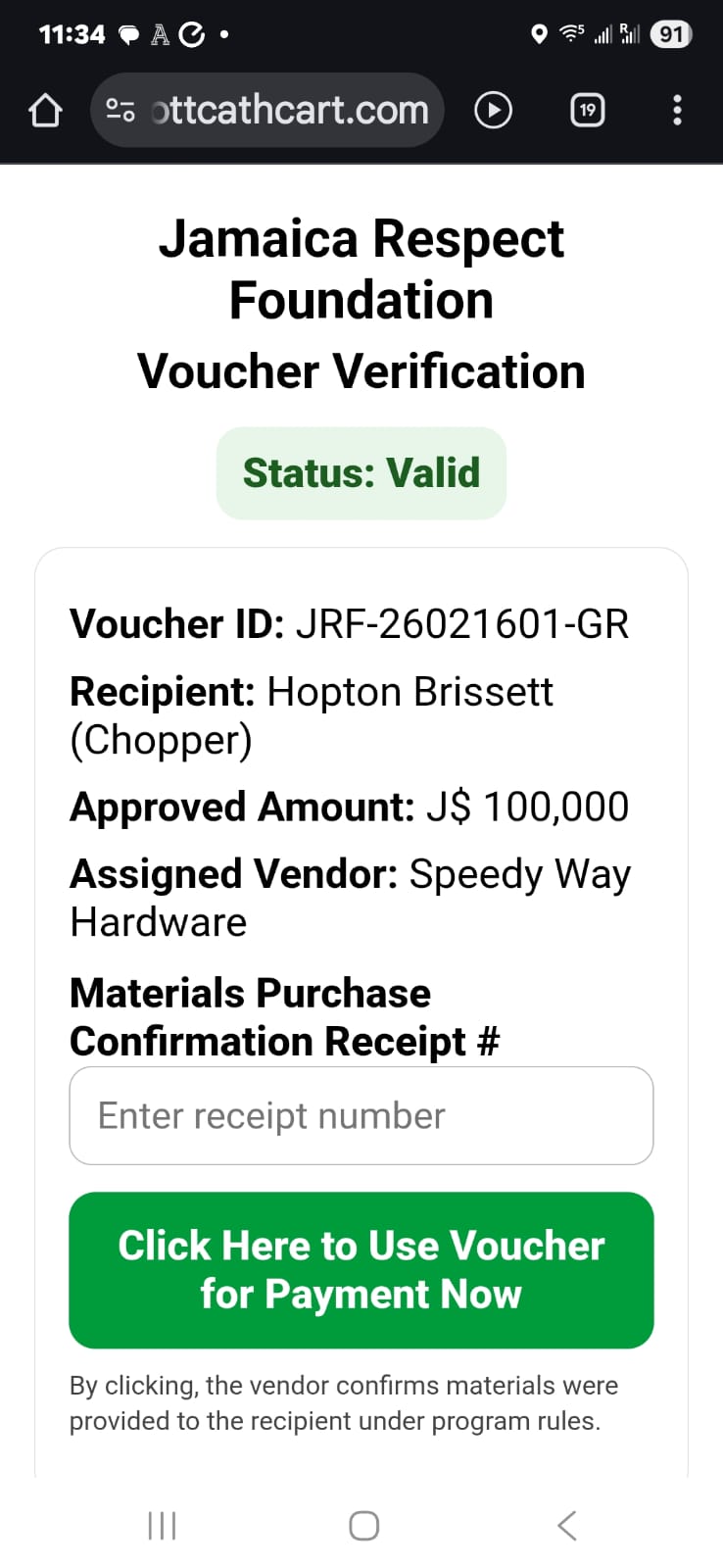 |
|---|
Examples of materials supported: Roofing zinc · Nails, screws & hurricane straps · Plywood & board · Cement & blocks · Windows & louvres · Doors · Tarps & sealants
HOW TO GIVE
Donations to the Jamaica Respect Foundation can be made through Breaking Healthcare Barriers (BHB), a US 501(c)3 charity founded by Jamaican-Americans who bring volunteer doctors and free medical supplies to Jamaica. BHB has created a dedicated sub-fund for JRF.
→ Donate Online Through BHB Here ←
For corporate gifts, matching donations, and personal donations larger than $2,500, please contact Grace Marr at info@the-respect-foundation.org to request wire instructions. For more information visit the-respect-foundation.org.
The Jamaica Respect Foundation system reflects the same operating logic that runs through Cathcart’s Iraq and Haiti work as well: when conventional frameworks are insufficient, build a better one.
The Pattern
Three countries. Three crises. Three different institutional environments. The through-line is not geography or sector — it is the willingness to operate in conditions where the path is unclear, the stakes are real, and the work requires building trust with counterparties under pressure.
That is what reconstruction requires. It is also the operating logic Scott Cathcart brings to every platform he builds.
For professional inquiries, contact Cathcart here.